Showing posts with label Polarizing Filter. Show all posts

Sunday, May 16, 2010

Using Linear Polarizing Filter on Auto Focus Lenses

Aside from removing reflections from water and glass, there is nothing that makes your colour pop, and your blue sky more blue than a polarizing filter. Polarizing filters are among the most expensive filters, except the old linear kind, which I believe nobody makes any more, but are available in abundance in the used market at very low prices. As anyone who knows the difference between a linear and circular polarizing filter will tell you, using a linear polarizing filter with auto focus cameras has the side effect of unreliable metering and focusing. I don't doubt that linear polarizing filters affect auto focus cameras, but how, or how much?

I decided to give it a try today. I mounted a Hoya linear 58mm polarizer on the Canon EF-S 18-55mm kit lens, and headed to Ontario Place and give it a try. I have taken over 375 RAW pictures and a few minutes of HD video, and here is what I have found.

For the most part, AF and Metering are not affected, and if it did, I didn't see much difference to notice. The linear filter produced the same effect as the circular version. Through out the day, I had only encounter focusing hesitations near the end of the day, where I was taking pictures with the sun shining directly into the lens. The lens did managed to achieve focus at the end.

So, my understanding is that under certain situations, linear polarizing filter does affect the focusing. But for 99% of the time, it works fine with auto focus cameras.
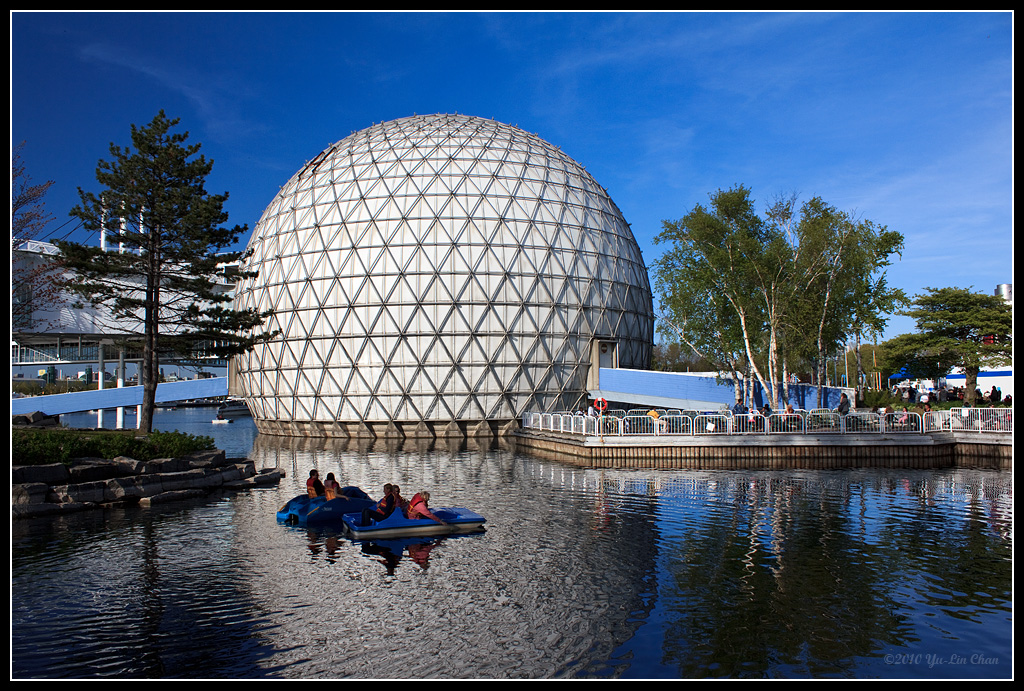

Cinesphere -- Canon Digital Rebel 550D (T2i) & 18-55mm Kit Lens. Embiggen.
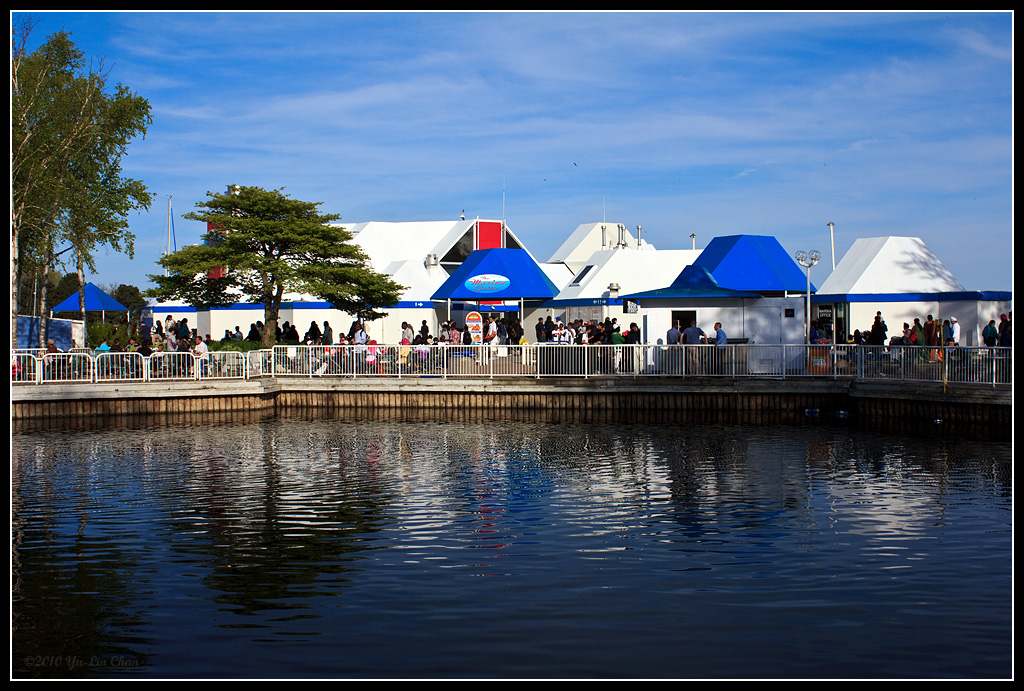

Reflection -- Canon Digital Rebel 550D (T2i) & 18-55mm Kit Lens. Embiggen.
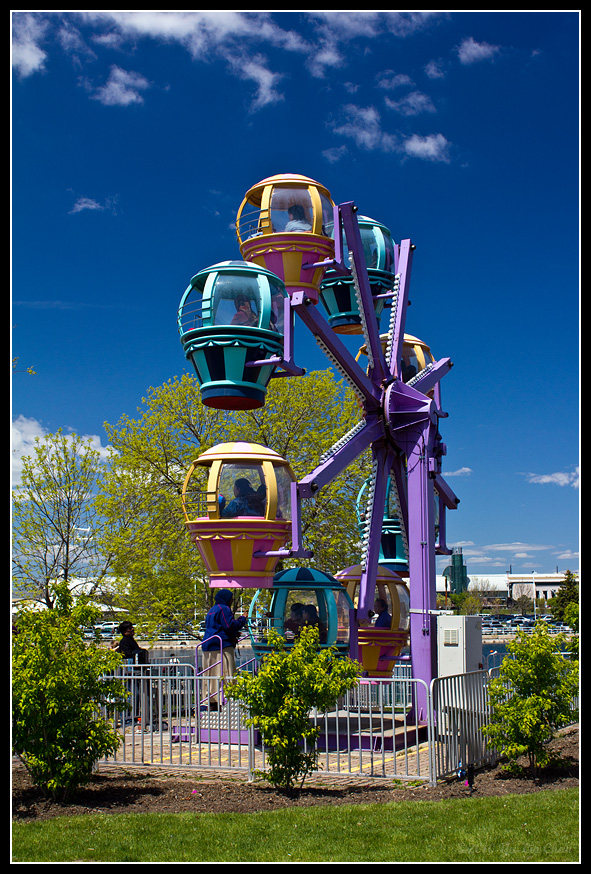

Wheels -- Canon Digital Rebel 550D (T2i) & 18-55mm kit lens.

Tuesday, February 9, 2010

More on Filters

Last time I talked about protection filters here, but there are so many different types of filters on the market that can be confusing what filters to use. In most cases, the effect of filters can be duplicated by software equivalent, such as those filters found in Photoshop. There is at least one filter that software can not duplicate -- the polarizing filter.

A polarizing filter has many benefits. It can act as a Neutral Density filter, colour/contrast enhancer, and finally, a polarizing filter, which can reduce or even remove reflections from water and glass (but not metal). Polarizing filters come in two types: Linear and circular.

Early polarizing filters were all of the the linear type. It's function is identical to that of the circular type, except one important difference: Linear polarizing filters can fool the camera's metering and auto focus system, due to the way the light is polarized. Linear polarizing filters are more effective and easier to make, thus much less expensive than circular type, but they should only be used on manual focus cameras with manual metering, or digital cameras with live view.

Circular polarizing filters are much more common now a days. This type of polarizing filter allows the camera to meter and auto focus, otherwise both types does the same function.

How can you tell them apart if it's not specifically written on the filter? The trick is actually quite easy. All you need is a mirror. Hold the filter in front of you and look through the filter and at the mirror, now switch it to the other side, and do the same thing. If you can see your eye when you look through the filter both sides, it's a linear polarizing filter. If one side is dark, it's a circular polarizing filter.


William -- Panasonic G1 & JML 50mm f0.95 TV Lens. Larger Picture.